
Legacy to Leader: A Strategic Roadmap for Modernizing Enterprise Applications in 2026
Posted By
ThoughtSpheres Team
Published Date
January 5, 2026
Read Time
5 Min Read
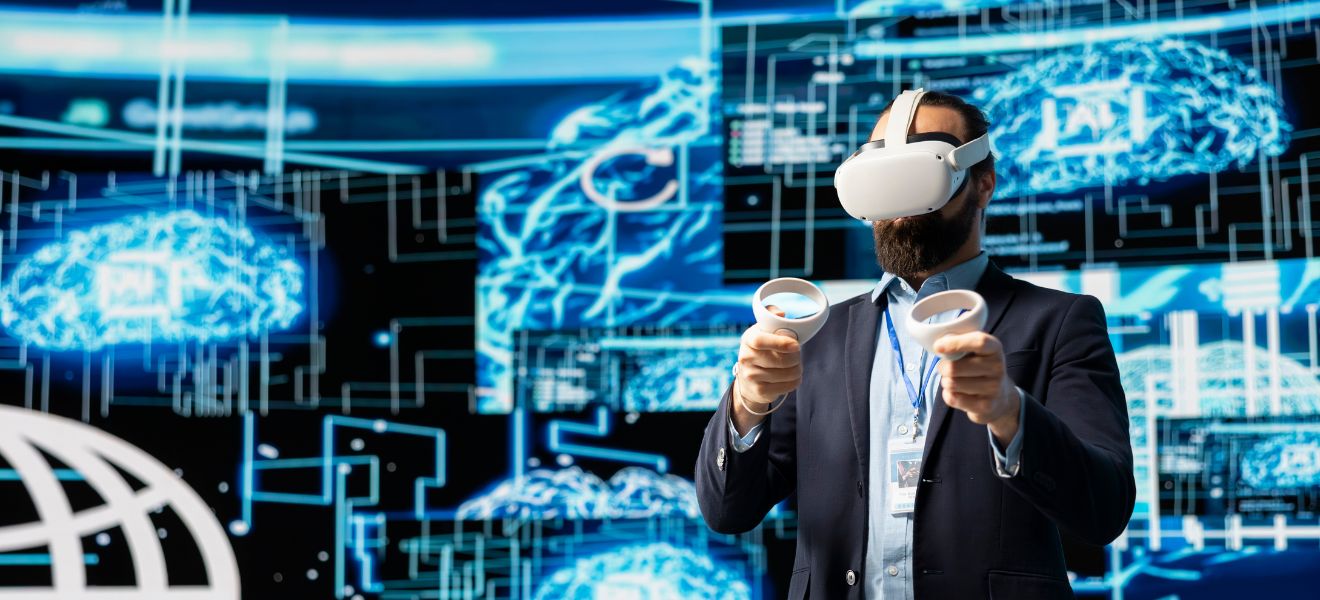
"Legacy" is a dangerous word.
In the fast-paced world of 2026, "Legacy" is a dangerous word. For many established enterprises, the core systems that run the business—the ERPs, the CRMs, the custom supply chain tools—were written ten or fifteen years ago. They are reliable, yes. But they are also rigid, expensive to maintain, and increasingly incompatible with modern tools like AI and Cloud analytics.
At ThoughtSpheres, we see this paradox constantly: businesses want to innovate with Generative AI (as discussed in our previous blogs), but they are shackled by "technical debt." Their data is locked in monolithic codebases that fear change. Modernization is no longer just an IT upgrade; it is a survival imperative. Here is how to navigate the shift from a Legacy Organization to a Market Leader.
The Hidden Cost of "If It Ain't Broke..."
Many leaders hesitate to touch legacy systems because of the risk. “If we break the order management system, we lose revenue.” However, the cost of inaction is now higher than the cost of action.
- Talent Drain: Top developers want to work with Python, React, and Microservices, not maintain decades-old code.
- Security Gaps: Older systems are harder to patch against modern cyber threats.
- Speed to Market: If launching a new feature takes six months because of "spaghetti code," your agile competitors will beat you every time.
The Strategy: Evolution, Not Revolution
The biggest myth in modernization is that you have to "Rewrite Everything" from scratch. This "Big Bang" approach is risky and expensive. At ThoughtSpheres, we advocate for a strategic, incremental approach. We often utilize patterns like the "Strangler Fig" pattern. This involves gradually peeling off specific functions from your monolithic legacy application and rebuilding them as modern, cloud-native microservices. Over time, the new system grows around the old one until the legacy system can be safely retired.
“Modernization is no longer just an IT upgrade; it is a survival imperative.”
Real-World Success: The Digital Asset Management Platform
Consider our work with a major European client to build a Digital Asset Management (DAM) platform. Instead of relying on clunky, outdated file servers, we engineered a robust solution using Java, Spring Boot, and Python. This transition didn't just "digitize" their files; it transformed their workflow. It allowed for faster retrieval, better security, and seamless integration with other modern tools—turning a static storage cost into a dynamic business asset.
Adopting a Product Engineering Mindset
Modernization isn't just about changing code; it's about changing culture. We help our clients shift from an "IT Support" mindset to a "Product Engineering" mindset. Your internal applications shouldn't just be "maintained"; they should be treated like products that evolve. This means:
- Adopting DevOps pipelines for faster, automated deployments.
- Designing with a User-Centric focus (UX) so your employees actually enjoy using the tools.
- Building for Scalability on the cloud (AWS/Azure) so you don't crash during peak seasons.
Your 2026 Roadmap
The journey from legacy code to a modern digital core is complex, but you don't have to walk it alone. Whether you need to migrate a monolithic app to Microservices, re-platform to the Cloud, or simply rescue a project that has stalled, ThoughtSpheres brings the engineering rigor and strategic foresight to get it done. Stop letting your past dictate your future. Contact our Enterprise IT Team for a technical assessment and modernization roadmap.
Related News

Beyond Chatbots: Why Agentic Workflows Are the Next Frontier
Discover why enterprises are shifting from chatbots to Agentic Workflows.
The Data-First Mandate: Why Your Cloud Infrastructure Matters
Generative AI fails without a solid data foundation. Learn how to modernize your cloud.
Legacy to Leader: A Strategic Roadmap for Modernizing Enterprise Apps
Legacy systems are the silent killer of innovation. Discover strategic approaches.